

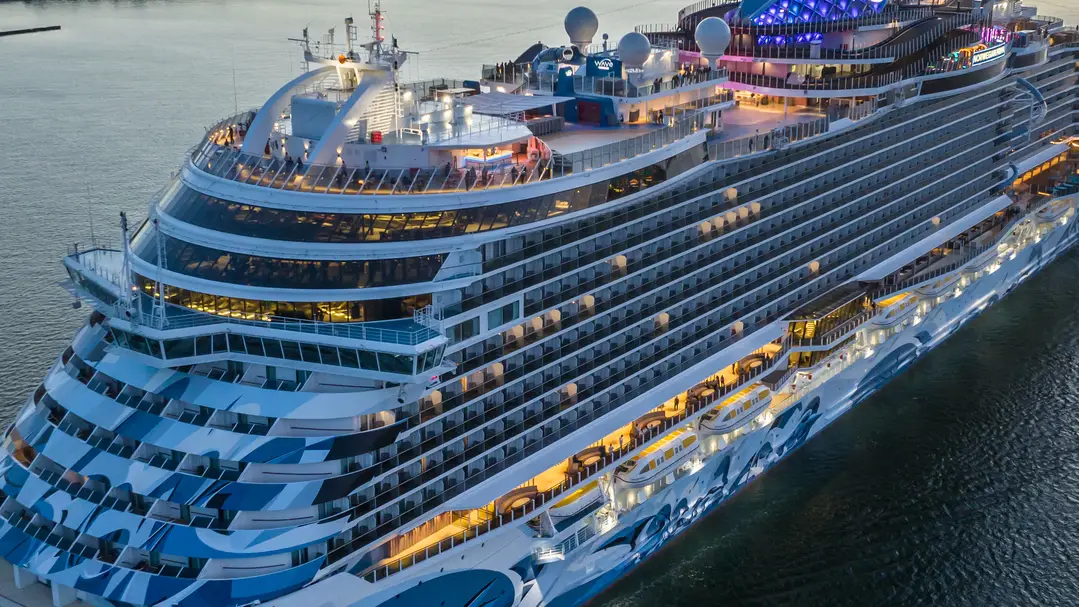
Cruise ships are often viewed as floating resorts filled with entertainment, restaurants, pools, and luxury accommodations. Behind the scenes, however, these vessels operate within a highly complex international system involving maritime law, navigation, logistics, engineering, environmental regulations, and multinational staffing. Once a cruise ship leaves port and enters international waters, it becomes part of a legal and operational environment unlike almost any land based business.
Operating across international waters requires coordination between multiple countries, maritime organizations, port authorities, and onboard departments. Cruise ships function as self contained floating cities that must continuously manage safety, food supply, fuel consumption, waste systems, medical care, and international legal compliance while traveling between nations.
Understanding how cruise ships operate internationally reveals the enormous logistical and legal structure that allows millions of passengers to travel smoothly across oceans every year.
What Are International Waters
International waters, also called the high seas, are ocean areas that do not belong to any single country. Under international maritime law, these waters generally begin beyond a nation’s territorial sea, which usually extends 12 nautical miles from the coastline.
Once a ship enters international waters:
- No individual country has complete sovereignty
- Maritime law becomes the governing framework
- International treaties apply
- The ship primarily follows the laws of its registered nation
This creates a unique legal environment where multiple jurisdictions can influence ship operations simultaneously.
The Importance of Flag States
Every cruise ship is registered in a specific country known as its flag state. The ship flies that country’s flag and operates under many of its maritime laws regardless of where the vessel travels.
Common cruise ship flag states include:
- Bahamas
- Panama
- Malta
- Bermuda
This practice is often called using a flag of convenience.
Cruise companies choose registration countries based on factors such as:
- Tax structures
- Labor laws
- Regulatory requirements
- Operational flexibility
- Maritime expertise
The flag state is responsible for ensuring the vessel complies with international maritime standards involving safety, labor, and environmental protection.
International Maritime Law Governs Operations
Cruise ships operating globally must comply with international maritime regulations established by organizations such as the International Maritime Organization.
Key international agreements regulate areas including:
- Passenger safety
- Ship construction
- Environmental protection
- Emergency procedures
- Crew training
- Navigation standards
One of the most important agreements is the Safety of Life at Sea convention, commonly called SOLAS. This treaty establishes safety requirements for ship design, firefighting systems, evacuation procedures, and emergency equipment.
Another major agreement is MARPOL, which regulates marine pollution and waste disposal.
These regulations apply regardless of the ship’s destination.
Cruise Ships Function Like Floating Cities
Modern cruise ships are essentially self sustaining cities operating at sea. Large vessels may carry:
- Thousands of passengers
- Thousands of crew members
- Restaurants
- Medical centers
- Theaters
- Pools
- Power systems
- Water treatment facilities
To function continuously while traveling internationally, ships must manage enormous operational systems independently.
Critical onboard systems include:
- Electricity generation
- Fresh water production
- Waste management
- Air conditioning
- Food storage
- Internet connectivity
- Medical response
The engineering required to keep these systems functioning around the clock is highly sophisticated.
Navigation Across International Routes
Cruise ships follow carefully planned international routes using advanced navigation technology and maritime coordination systems.
Bridge officers rely on:
- GPS navigation
- Radar systems
- Electronic charts
- Satellite communication
- Weather forecasting tools
- Traffic monitoring systems
Captains and navigation teams constantly monitor:
- Ocean conditions
- Storm systems
- Port schedules
- Maritime traffic
- Fuel efficiency
- Safety conditions
Cruise routes are designed months or even years in advance, but adjustments may occur because of weather, political conditions, or port restrictions.
Port Coordination Is Highly Complex
Cruise ships travel between multiple countries during a single voyage, requiring constant coordination with international port authorities.
Before arriving at a port, cruise operators must arrange:
- Customs clearance
- Immigration processing
- Security inspections
- Passenger documentation
- Fuel resupply
- Waste removal
- Food restocking
Port schedules are tightly controlled because major cruise terminals may handle several ships simultaneously.
Delays in one location can affect entire voyage itineraries.
Cruise Ships Generate Their Own Power
Most modern cruise ships generate electricity using large diesel engines or gas turbine systems. These engines power not only propulsion but also all onboard systems.
Electricity supports:
- Lighting
- Kitchens
- Air conditioning
- Water systems
- Elevators
- Entertainment venues
- Internet systems
Some newer vessels use liquefied natural gas to reduce emissions and improve fuel efficiency.
Energy management is critical because cruise ships consume enormous amounts of power while operating continuously.
Fresh Water Production at Sea
Cruise ships cannot rely entirely on port supplies for water. Most vessels produce fresh water onboard using desalination systems.
Common methods include:
- Reverse osmosis
- Evaporation systems
These technologies convert seawater into drinkable water for:
- Passenger use
- Cooking
- Cleaning
- Laundry
- Pools
Large cruise ships may produce hundreds of thousands of gallons of fresh water daily.
Water quality is closely monitored to meet international health standards.
Waste Management in International Waters
Waste management is one of the most heavily regulated aspects of cruise ship operation.
Ships must carefully manage:
- Sewage
- Food waste
- Plastic waste
- Hazardous materials
- Wastewater
- Engine emissions
International environmental agreements restrict what ships can discharge into the ocean and where disposal is permitted.
Modern cruise ships often use advanced treatment systems to process waste before disposal or transfer it to port facilities.
Environmental compliance has become increasingly important as public concern about ocean pollution grows.
Food Supply and Logistics
Cruise ships must maintain massive food inventories while traveling across long international routes.
Large ships may serve:
- Thousands of meals daily
- Multiple cuisines
- Fresh ingredients
- Specialty dining experiences
Food logistics require careful planning involving:
- Refrigeration systems
- Inventory management
- International sourcing
- Port restocking coordination
Health regulations also require strict food safety procedures to prevent outbreaks of illness onboard.
Medical Facilities and Emergency Care
Cruise ships carry onboard medical teams trained to handle emergencies at sea.
Most large ships include:
- Medical clinics
- Doctors
- Nurses
- Emergency equipment
- Isolation rooms
- Pharmacy supplies
Medical staff treat:
- Minor injuries
- Illnesses
- Motion sickness
- Cardiac emergencies
- Infectious diseases
In severe cases, ships may coordinate emergency evacuation by helicopter or divert to the nearest port.
Because ships operate internationally, medical teams must handle passengers from many countries and healthcare systems.
Crew Operations Are Multinational
Cruise ship crews are highly international. Employees often come from dozens of countries and work together in complex operational systems.
Departments may include:
- Hospitality staff
- Engineers
- Deck officers
- Entertainment teams
- Medical personnel
- Security officers
- Culinary teams
Crew members typically work long contracts lasting several months while living onboard.
Multinational staffing allows cruise lines to recruit specialized talent globally, but it also requires strong coordination, training, and communication systems.
Security Across International Waters
Cruise ships must maintain strict security procedures because they operate across multiple legal jurisdictions.
Security measures may include:
- Passenger screening
- Surveillance systems
- Restricted access areas
- International security compliance
- Emergency response drills
International maritime security regulations became significantly stricter after global terrorism concerns increased in the early 2000s.
Cruise lines also coordinate with coast guards, port authorities, and international agencies to monitor potential risks.
Internet and Communication at Sea
Maintaining communication in international waters requires advanced satellite systems because ships often travel far from land based networks.
Cruise ships rely on satellite communication for:
- Internet access
- Navigation updates
- Weather data
- Emergency communication
- Operational coordination
Internet connectivity at sea has historically been slower and more expensive than land based systems, though newer satellite technology is improving onboard access.
Environmental Challenges Facing Cruise Ships
The cruise industry faces growing scrutiny regarding environmental impact.
Major concerns include:
- Carbon emissions
- Ocean pollution
- Waste disposal
- Fuel consumption
- Ecosystem disruption
In response, many cruise companies are investing in:
- Cleaner fuels
- Advanced wastewater treatment
- Energy efficient ship designs
- Shore power systems
- Emission reduction technologies
Environmental regulation is expected to become increasingly strict in coming years.
Legal Jurisdiction Can Become Complicated
One of the most unique aspects of cruise ship operation is overlapping legal authority.
Different situations may involve laws from:
- The ship’s flag state
- Passenger nationality
- Port nations
- International maritime treaties
For example, crimes, labor disputes, environmental incidents, or medical emergencies may involve multiple jurisdictions simultaneously.
This legal complexity makes maritime law highly specialized.
Weather and Ocean Conditions Affect Operations
Cruise ships constantly monitor weather because ocean conditions can change rapidly.
Operational decisions may involve:
- Altering routes
- Delaying arrivals
- Avoiding storms
- Adjusting speed
- Canceling port stops
Passenger safety remains the highest operational priority during severe weather events.
Modern forecasting technology helps ships avoid many dangerous conditions, but ocean travel always involves environmental unpredictability.
Cruise Tourism and Global Economies
Cruise ships contribute significantly to international tourism economies.
Cruise tourism supports:
- Port cities
- Excursion operators
- Restaurants
- Retail businesses
- Transportation services
Many coastal destinations depend heavily on cruise passenger spending.
However, some cities also debate concerns involving overcrowding, environmental strain, and infrastructure pressure from large scale cruise tourism.
The Future of Cruise Ship Operations
The cruise industry continues evolving through technological innovation and changing consumer expectations.
Future developments may include:
- Cleaner propulsion systems
- AI assisted navigation
- Sustainable ship design
- Improved waste management
- Expanded satellite connectivity
- Smart cabin technology
Environmental sustainability will likely become one of the industry’s biggest operational priorities moving forward.
Conclusion
Cruise ships operate across international waters through an intricate system involving maritime law, global logistics, advanced engineering, environmental regulation, and multinational coordination. Far beyond simple vacation vessels, these ships function as highly complex floating cities capable of sustaining thousands of people while traveling between nations.
From navigation and waste management to legal jurisdiction and onboard medical care, every aspect of cruise ship operation requires international cooperation and continuous oversight. The combination of technology, maritime expertise, and global infrastructure allows modern cruise travel to function smoothly across vast ocean routes.
As environmental standards and passenger expectations continue evolving, cruise ship operations will likely become even more technologically advanced and sustainability focused in the years ahead.
FAQ
What laws apply to cruise ships in international waters?
Cruise ships primarily follow the laws of their flag state along with international maritime treaties and regulations.
Why are many cruise ships registered in countries like Panama or the Bahamas?
These countries offer favorable tax structures, maritime regulations, and operational flexibility for international shipping companies.
How do cruise ships get fresh water at sea?
Most cruise ships use desalination systems such as reverse osmosis to convert seawater into fresh water.
How do cruise ships manage waste in the ocean?
Ships use advanced treatment systems and follow international environmental regulations that restrict waste disposal practices.
Who controls security on a cruise ship?
Cruise lines maintain onboard security teams while also complying with international maritime security regulations and port authority requirements.
How do cruise ships navigate across oceans?
Ships use GPS systems, radar, electronic charts, satellite communication, and weather forecasting tools for navigation.
What happens if someone has a medical emergency onboard?
Cruise ships have onboard medical facilities and trained staff. Serious emergencies may require evacuation or diversion to the nearest port.
