

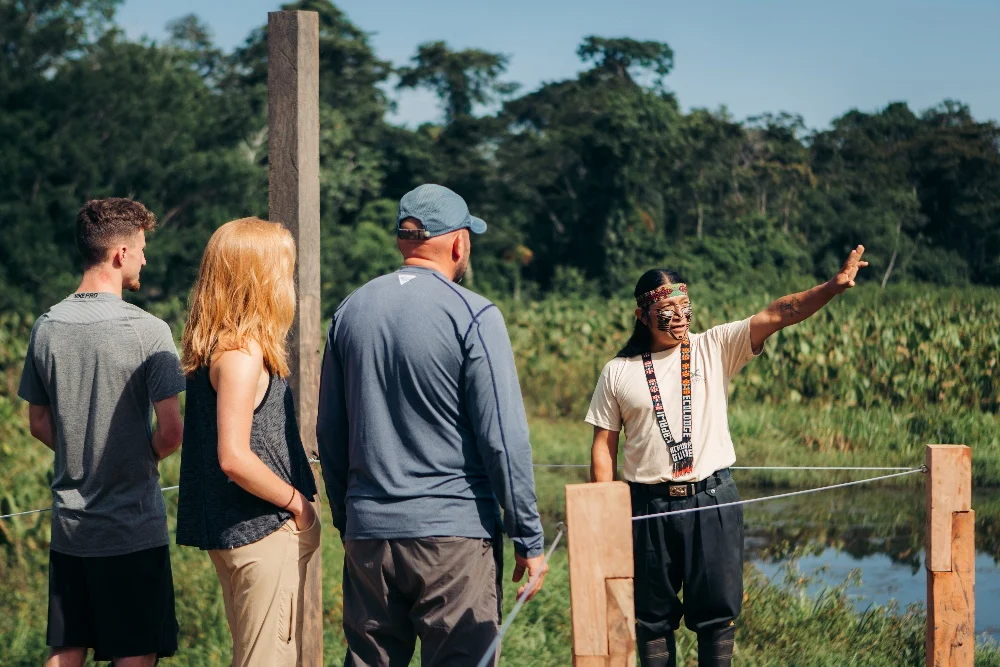
Tourism is one of the world’s largest industries, generating billions of dollars annually across transportation, hospitality, entertainment, and cultural experiences. Yet in many destinations, a significant portion of tourism revenue never fully reaches local communities. Large hotel chains, international tour operators, foreign investors, and online booking platforms often capture most of the economic benefits while local residents receive only a small fraction of the profits.
Community based tourism emerged as an alternative model designed to address this imbalance. Instead of concentrating revenue within large corporations, community based tourism aims to distribute economic benefits directly to local residents, small businesses, cooperatives, and cultural organizations.
The concept goes beyond simply attracting tourists to rural villages or cultural destinations. At its core, community based tourism focuses on local ownership, shared economic participation, cultural preservation, and sustainable development. Understanding how revenue is actually distributed within this model reveals why it has become increasingly important in conversations about ethical travel and sustainable tourism.
What Is Community Based Tourism
Community based tourism refers to tourism experiences that are owned, managed, or strongly controlled by local communities rather than external corporations.
These tourism models often include:
- Locally owned accommodations
- Cultural tours
- Artisan workshops
- Nature excursions
- Community guided activities
- Traditional food experiences
The primary goal is to ensure tourism income remains within the local economy while supporting social, cultural, and environmental sustainability.
Unlike mass tourism systems, community based tourism emphasizes participation and local decision making.
Why Traditional Tourism Often Concentrates Wealth
In conventional tourism systems, much of the money travelers spend may leave the destination quickly through a process known as economic leakage.
Leakage occurs when tourism revenue goes to:
- International hotel chains
- Foreign owned resorts
- Global booking platforms
- Imported products
- External tour companies
For example, tourists may stay in international hotels, eat imported food, and book activities through foreign companies while local communities receive limited economic benefit.
As a result, destinations may experience tourism growth without widespread local prosperity.
Community based tourism attempts to reduce this imbalance.
Local Ownership Keeps Revenue Within Communities
One of the most important features of community based tourism is local ownership.
When accommodations, restaurants, transportation services, and tours are owned by residents, more money stays inside the community.
Revenue circulates locally through:
- Household income
- Local hiring
- Community businesses
- Regional suppliers
- Local infrastructure
This creates a multiplier effect where tourism spending benefits multiple layers of the local economy rather than exiting immediately through foreign corporations.
Local ownership also gives communities greater control over tourism development and cultural representation.
Employment Opportunities Expand Beyond Hospitality
Community based tourism often creates diverse employment opportunities beyond traditional hotel jobs.
Income generating roles may include:
- Tour guides
- Drivers
- Artisans
- Farmers
- Musicians
- Cultural educators
- Food vendors
- Craft producers
This broader distribution of work helps spread economic benefit across different groups within the community.
Women, youth, and Indigenous populations often gain increased economic participation through these models.
Revenue Sharing Models Support Collective Benefit
Many community based tourism projects use cooperative or collective revenue sharing systems.
Instead of profits going to a single private owner, income may be distributed through:
- Community associations
- Village councils
- Cooperatives
- Shared development funds
Revenue may support:
- Schools
- Healthcare
- Infrastructure
- Water systems
- Conservation programs
- Cultural preservation projects
This structure allows tourism income to contribute to broader community development rather than benefiting only a few individuals.
Homestays Create Direct Income for Families
Homestays are one of the most common forms of community based tourism. Travelers stay in local homes and pay host families directly for accommodation, meals, and cultural experiences.
This model distributes revenue efficiently because:
- Families receive direct payment
- Operational costs remain low
- Local food suppliers benefit
- Guests spend more within the community
Homestays also create stronger cultural exchange between visitors and residents.
Unlike large hotels, income from homestays often goes directly into household economies where it supports education, healthcare, and daily living expenses.
Local Food Systems Benefit Economically
Community based tourism frequently prioritizes locally sourced food and traditional cuisine.
This supports:
- Local farmers
- Fishermen
- Food producers
- Small restaurants
- Market vendors
Food spending becomes an important part of local revenue distribution.
Tourists seeking authentic cultural experiences often value traditional meals and regional ingredients, creating economic opportunity for small scale food producers.
This model reduces dependency on imported food supply chains commonly used in large tourism operations.
Artisans and Cultural Workers Gain Visibility
Traditional crafts and cultural practices are often economically undervalued in many regions. Community based tourism can create direct income opportunities for artisans and cultural practitioners.
Examples include:
- Textile weaving
- Pottery
- Wood carving
- Traditional music
- Dance performances
- Indigenous artwork
Tourists purchasing handmade products or attending workshops contribute directly to cultural economies.
This not only generates income but also encourages preservation of traditional knowledge and artistic practices.
Environmental Conservation Can Become Economically Valuable
Many community tourism projects are connected to environmental conservation efforts.
Revenue may support:
- Wildlife protection
- Forest preservation
- Marine conservation
- Sustainable agriculture
- Eco tourism initiatives
Communities often gain financial incentive to protect natural resources because environmental quality directly affects tourism appeal.
This creates a stronger relationship between conservation and economic sustainability.
Tourism Cooperatives Increase Financial Stability
In some destinations, tourism cooperatives help organize revenue distribution more fairly.
Cooperatives may manage:
- Tour bookings
- Transportation services
- Craft sales
- Accommodation networks
This structure can reduce competition between individual households while improving collective bargaining power.
Revenue sharing systems also help smaller participants access tourism markets they might not reach independently.
Community Funds Support Long Term Development
Many successful community based tourism programs allocate a portion of profits into communal development funds.
These funds may finance:
- School improvements
- Healthcare access
- Road maintenance
- Water infrastructure
- Renewable energy projects
This approach spreads tourism benefits beyond immediate business owners.
It also helps communities view tourism as a collective development tool rather than only a private commercial activity.
Cultural Preservation Gains Financial Support
Mass tourism can sometimes commercialize or weaken local cultures. Community based tourism aims to reverse this by making cultural preservation economically valuable.
Communities may generate income through:
- Language preservation programs
- Traditional ceremonies
- Cultural storytelling
- Indigenous knowledge sharing
- Heritage tours
When managed respectfully, tourism can create economic motivation to preserve traditions that might otherwise disappear under globalization pressures.
Women Often Gain Greater Economic Participation
Community based tourism frequently creates economic opportunities for women, especially in regions where formal employment options may be limited.
Women often participate through:
- Homestays
- Food preparation
- Craft production
- Cultural activities
- Hospitality management
Direct tourism income can increase financial independence and strengthen community leadership roles for women.
This social impact is one reason many development organizations support community tourism initiatives.
Digital Platforms Have Expanded Market Access
Online booking platforms and social media have helped many community tourism projects reach international audiences directly.
Communities can now promote:
- Homestays
- Eco lodges
- Guided tours
- Cultural workshops
without relying entirely on large external tour operators.
Digital visibility increases the potential for local businesses to retain a larger share of tourism revenue.
However, competition and platform fees still present challenges.
Challenges in Revenue Distribution
Although community based tourism offers important benefits, revenue distribution is not always perfectly equal.
Common challenges include:
- Unequal participation
- Limited infrastructure
- Marketing difficulties
- Language barriers
- Seasonal tourism fluctuations
- External investor pressure
In some cases, local elites may capture disproportionate benefits while marginalized groups remain excluded.
Successful revenue distribution usually requires strong governance, transparency, and community participation.
Training and Education Are Essential
Tourism management requires skills in areas such as:
- Hospitality
- Marketing
- Financial management
- Language communication
- Digital technology
Communities often need training and educational support to compete effectively within international tourism markets.
Capacity building programs help ensure local residents can manage tourism operations independently rather than relying heavily on external control.
Sustainable Tourism Depends on Local Participation
Tourism becomes more sustainable when communities actively participate in decision making.
Local involvement helps ensure tourism development aligns with:
- Cultural values
- Environmental priorities
- Economic goals
- Community needs
Without local participation, tourism projects may create displacement, cultural exploitation, or environmental strain.
Community based tourism seeks to balance economic opportunity with long term sustainability.
Tourists Influence Revenue Distribution Through Choices
Traveler decisions strongly affect how tourism revenue flows through destinations.
Tourists who choose:
- Locally owned accommodations
- Community guided tours
- Independent restaurants
- Handmade products
often contribute more directly to local economies than travelers using fully international tourism systems.
Consumer awareness plays an important role in shaping tourism impact.
Community Tourism and Economic Resilience
Diversified local tourism systems can improve economic resilience by spreading income across multiple households and businesses.
Instead of depending entirely on one large employer, communities may benefit from:
- Small business networks
- Cooperative structures
- Multiple tourism services
This distribution reduces vulnerability to economic shocks and creates broader participation within the local economy.
The Future of Community Based Tourism
Interest in ethical and sustainable travel continues growing globally. Many travelers increasingly seek:
- Authentic experiences
- Cultural connection
- Responsible tourism
- Environmental awareness
- Local economic impact
As these priorities expand, community based tourism may become more influential within the global travel industry.
Technology, social media, and direct booking systems may further improve local access to international tourism markets.
Conclusion
Community based tourism distributes revenue by prioritizing local ownership, shared economic participation, cultural preservation, and collective development. Unlike conventional tourism systems where profits often leave destinations through international corporations, community tourism aims to keep money circulating within local economies.
Through homestays, cooperatives, artisan networks, local food systems, and community development funds, tourism revenue can support households, infrastructure, environmental conservation, and cultural preservation simultaneously.
While challenges remain, community based tourism represents an important shift toward more equitable and sustainable travel models. As travelers increasingly seek meaningful and responsible experiences, the economic importance of community centered tourism will likely continue growing in destinations around the world.
FAQ
What is community based tourism?
Community based tourism is a tourism model where local communities own, manage, or significantly control tourism activities and revenue distribution.
How does community based tourism reduce economic leakage?
It keeps more tourism spending within local economies through local ownership, local hiring, and community managed businesses.
Who benefits financially from community tourism?
Benefits may reach families, artisans, farmers, guides, food vendors, cooperatives, and community development projects.
Why are homestays important in community tourism?
Homestays provide direct income to local families while creating cultural exchange opportunities for travelers.
Can community based tourism support environmental conservation?
Yes. Many projects use tourism revenue to fund conservation efforts and protect natural resources that attract visitors.
What challenges does community based tourism face?
Common challenges include limited infrastructure, unequal participation, marketing difficulties, and external commercial pressure.
How can travelers support community based tourism?
Travelers can choose locally owned accommodations, community guided experiences, independent restaurants, and handmade local products.
