

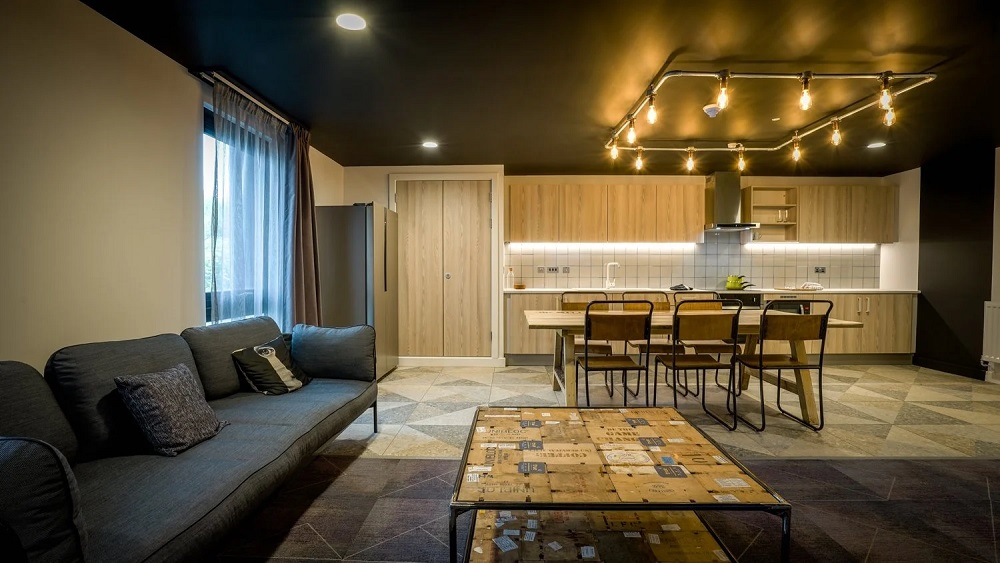
The hospitality industry is experiencing a major shift in how travelers define value. For decades, accommodation choices were driven primarily by location, price, convenience, and basic amenities. While those factors still matter, modern travelers increasingly prioritize something less tangible but highly influential: aesthetic experience.
Today, hotels, boutique stays, vacation rentals, and even hostels are being evaluated not only for comfort but also for visual identity, atmosphere, and emotional appeal. Aesthetic spaces have become central to how people choose accommodations, share travel experiences, and define luxury. In many cases, travelers are willing to spend more for spaces that feel visually inspiring, emotionally immersive, and culturally distinctive.
This transformation reflects broader changes in digital culture, lifestyle branding, and consumer psychology. Accommodation is no longer viewed simply as a place to sleep. It has become part of the travel experience itself.
The Evolution of Accommodation Expectations
Traditional hospitality models focused heavily on functionality. Guests primarily expected:
- Clean rooms
- Comfortable beds
- Convenient locations
- Reliable service
- Basic amenities
Luxury accommodations added upgraded services such as spas, fine dining, concierge access, and premium furnishings.
However, digital culture has reshaped expectations dramatically. Travelers now seek spaces that feel memorable, emotionally engaging, and visually unique.
Modern consumers increasingly want accommodations that provide:
- Atmospheric design
- Personalized experiences
- Architectural character
- Lifestyle alignment
- Social media appeal
- Emotional comfort
The emotional and visual experience of a space now contributes significantly to perceived value.
Social Media Changed Hospitality Psychology
Platforms like Instagram, TikTok, and Pinterest have transformed how people interact with travel spaces. Accommodations are now photographed, filmed, reviewed, and shared constantly.
This visibility changed consumer behavior in several ways.
Travelers increasingly choose accommodations based on:
- Visual aesthetics
- Photogenic interiors
- Curated design details
- Natural lighting
- Unique architectural features
Spaces that create strong visual impressions often gain enormous online visibility, leading to higher demand and cultural relevance.
In many cases, accommodations themselves become travel destinations.
Why Aesthetic Spaces Feel More Valuable
Humans naturally respond emotionally to environments. Design influences mood, comfort, perception, and memory more deeply than many people realize.
Aesthetic spaces often create feelings of:
- Calmness
- Inspiration
- Escapism
- Luxury
- Creativity
- Emotional warmth
These emotional reactions shape how guests evaluate their overall experience.
Even when two accommodations offer similar practical amenities, the one with stronger visual atmosphere often feels more valuable because it creates deeper emotional impact.
Perception strongly influences hospitality value.
Boutique Hotels Led the Shift
Boutique hotels played a major role in redefining accommodation aesthetics. Unlike large chain hotels that prioritized consistency, boutique properties focused on individuality and storytelling.
Boutique spaces often emphasized:
- Local culture
- Distinct design identity
- Curated interiors
- Artistic details
- Personalized atmosphere
This approach appealed to travelers seeking experiences that felt authentic rather than standardized.
Over time, boutique hospitality influenced the broader travel industry, including vacation rentals, luxury resorts, and even budget accommodations.
Design Became Part of the Experience
Modern travelers increasingly treat accommodations as extensions of lifestyle and identity.
Interior design now functions as a major selling point.
Popular aesthetic features include:
- Minimalist interiors
- Earth tone palettes
- Natural materials
- Vintage furniture
- Architectural lighting
- Textured fabrics
- Open spaces
- Indoor plants
These design choices create immersive emotional environments rather than purely functional rooms.
Travelers often remember how a space felt emotionally as much as the destination itself.
The Rise of Lifestyle Travel
Travel culture has become closely connected to lifestyle branding. Many people now travel not only for sightseeing but also to experience specific aesthetics and emotional environments.
This trend is especially visible in:
- Wellness retreats
- Coastal escapes
- Mountain cabins
- Urban boutique hotels
- Desert resorts
- Scandinavian inspired stays
Accommodations increasingly market themselves through mood and atmosphere rather than just amenities.
The focus has shifted from where people stay to how staying there makes them feel.
Aesthetic Spaces Support Digital Identity
In the age of social media, travel experiences are often shared publicly. Accommodations now contribute to personal digital identity and online storytelling.
People frequently select spaces that align with their aesthetic preferences because those environments become part of their visual narrative online.
Popular accommodation aesthetics include:
- Quiet luxury
- Japandi minimalism
- Mediterranean coastal design
- Rustic modern interiors
- Vintage European styling
- Bohemian wellness aesthetics
The accommodation itself becomes part of the traveler’s personal branding.
Emotional Design Influences Guest Satisfaction
Research in environmental psychology shows that physical spaces directly affect emotional well being. Lighting, texture, layout, color, and sensory atmosphere influence how people feel within a space.
Aesthetic accommodations often prioritize:
- Natural light
- Soft textures
- Calm color palettes
- Spatial openness
- Sensory comfort
These elements help guests feel more relaxed, emotionally grounded, and mentally refreshed.
As travelers become increasingly stressed by digital overload and urban fatigue, emotionally restorative environments gain higher perceived value.
Minimalism Became a Luxury Signal
One of the most influential shifts in hospitality design is the rise of minimalist luxury. In previous decades, luxury hotels often emphasized excess through ornate decor and visible opulence.
Today, many high-end spaces favor restraint.
Modern luxury aesthetics often feature:
- Clean architectural lines
- Neutral tones
- Open layouts
- Organic materials
- Quiet visual environments
This minimalist approach creates a sense of calm sophistication and emotional clarity.
Guests increasingly associate simplicity with exclusivity and intentionality.
Sustainability and Aesthetic Design
Sustainability has also become closely connected to aesthetic hospitality design. Many travelers now prefer accommodations that combine visual beauty with environmental responsibility.
Sustainable aesthetic features may include:
- Natural building materials
- Energy efficient lighting
- Local craftsmanship
- Vintage furniture restoration
- Biophilic design
- Reduced plastic use
Eco conscious design often feels warmer and more authentic than highly commercial interiors.
Travelers increasingly value spaces that reflect ethical and environmental awareness alongside visual appeal.
Airbnb Accelerated Aesthetic Expectations
Vacation rental platforms significantly changed accommodation standards. Airbnb especially introduced travelers to highly personalized and design focused stays.
Unlike standardized hotel rooms, many rentals offered:
- Unique architecture
- Individual decor styles
- Residential atmosphere
- Local personality
- Curated interiors
As travelers became accustomed to aesthetically distinctive rentals, expectations for hospitality design increased across the entire industry.
Hotels now compete not only on service but also on atmosphere and visual storytelling.
Sensory Experience Matters More Than Ever
Modern accommodation design increasingly focuses on sensory experience rather than visual appearance alone.
Important sensory elements include:
- Ambient lighting
- Scent design
- Acoustic softness
- Fabric textures
- Temperature comfort
- Natural airflow
These details shape emotional memory and influence whether guests perceive a stay as luxurious or restorative.
Hospitality is becoming more experiential and emotionally immersive.
Aesthetic Spaces Encourage Longer Engagement
Well-designed accommodations often encourage guests to spend more time inside the property itself.
Travelers may:
- Read in common areas
- Photograph interiors
- Work remotely
- Relax intentionally
- Share content online
- Extend stays
This behavior increases both customer satisfaction and commercial value.
Accommodations that feel emotionally engaging often create stronger guest loyalty and word of mouth marketing.
Remote Work Changed Hospitality Needs
The rise of remote work also influenced aesthetic accommodation trends. Many travelers now blend work and leisure, creating demand for spaces that feel both functional and emotionally inspiring.
Remote workers increasingly seek:
- Natural light
- Comfortable workspaces
- Quiet environments
- Design focused interiors
- Wellness amenities
- Residential comfort
Aesthetic spaces help create emotional separation from stressful work routines while still supporting productivity.
This shift contributed to the popularity of long stay boutique accommodations and lifestyle focused hospitality.
Authenticity Has Become a Competitive Advantage
Travelers increasingly reject generic hospitality experiences that feel overly corporate or disconnected from local culture.
Authentic aesthetic spaces often incorporate:
- Regional materials
- Local art
- Cultural references
- Community craftsmanship
- Historical architecture
These details create emotional depth and help guests feel connected to the location rather than isolated from it.
Authenticity now functions as a major form of accommodation value.
Why Travelers Remember Atmosphere
People often forget technical details about accommodations but remember atmosphere vividly.
Guests may not recall:
- Exact room size
- Television specifications
- Furniture dimensions
But they often remember:
- Morning light through curtains
- The calmness of a room
- The scent of wood interiors
- A beautifully designed lounge
- The feeling of emotional escape
Emotional memory strongly influences travel satisfaction and future booking behavior.
The Future of Accommodation Design
The hospitality industry will likely continue moving toward emotionally intelligent and visually immersive environments.
Future trends may include:
- Biophilic architecture
- Wellness centered design
- AI personalized room environments
- Sustainable luxury spaces
- Sensory optimized interiors
- Community oriented accommodations
As consumer priorities evolve, emotional and aesthetic value will likely become even more important than traditional luxury signals alone.
Conclusion
Aesthetic spaces are redefining accommodation value because modern travelers increasingly prioritize emotional experience, atmosphere, and visual identity alongside comfort and convenience. Accommodations are no longer viewed simply as practical necessities. They have become central parts of the travel experience itself.
Social media, lifestyle culture, environmental psychology, and changing consumer expectations have all contributed to this transformation. Travelers now seek spaces that feel calming, inspiring, authentic, and emotionally memorable.
From boutique hotels to curated vacation rentals, aesthetic design has become a powerful form of hospitality value. In today’s experience driven culture, the feeling a space creates often matters just as much as the destination surrounding it.
FAQ
Why are aesthetic accommodations becoming more popular?
Travelers increasingly value emotional experience, visual atmosphere, and memorable environments alongside comfort and convenience.
How has social media influenced accommodation design?
Social media encourages travelers to seek visually distinctive spaces that photograph well and align with personal lifestyle aesthetics.
What makes a hospitality space feel luxurious today?
Modern luxury often emphasizes calmness, thoughtful design, sensory comfort, natural materials, and emotional atmosphere rather than visible excess.
Why do boutique hotels attract modern travelers?
Boutique hotels often provide unique design identity, personalized experiences, and authentic local atmosphere that feel more emotionally engaging.
How does interior design affect guest satisfaction?
Lighting, texture, layout, and sensory elements influence mood, relaxation, comfort, and emotional memory during a stay.
What role does sustainability play in aesthetic hospitality?
Many travelers prefer accommodations that combine beautiful design with environmentally conscious practices and authentic craftsmanship.
Why do travelers remember atmosphere more than amenities?
Emotional experiences create stronger long-term memories than technical details, making atmosphere a major factor in overall travel satisfaction.
