

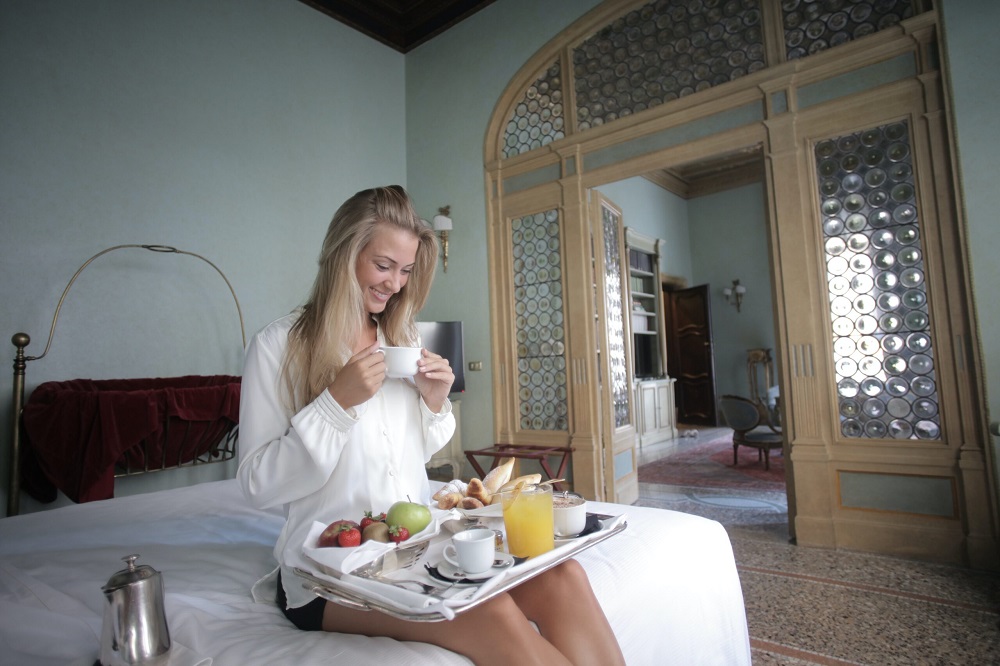
A memorable stay is rarely defined by size alone, luxury labels, or expensive amenities. In hospitality, guests often remember the smallest details long after they forget room dimensions or pricing. A thoughtfully placed reading light, a handwritten welcome note, soft bedding, calming scents, or a perfectly timed interaction with staff can leave a stronger impression than large-scale design features.
Modern travelers increasingly value emotional experience over standard luxury signals. People want to feel comfortable, understood, relaxed, and emotionally connected to the spaces they temporarily inhabit. Small details play a major role in creating that connection because they communicate care, intention, and attentiveness.
In today’s hospitality industry, memorable stays are built through layered sensory experiences and thoughtful moments rather than extravagance alone.
Why Small Details Matter in Hospitality
Hospitality is fundamentally emotional. Guests may arrive tired, stressed, excited, anxious, or emotionally overwhelmed from travel. Small details influence how safe, welcomed, and comfortable they feel within a space.
Thoughtful details help create:
- Emotional warmth
- Relaxation
- Trust
- Personal connection
- Comfort
- Positive memory formation
People naturally notice when environments feel intentional rather than purely functional.
Even subtle improvements can dramatically change how guests perceive quality and care.
Emotional Memory Shapes Guest Satisfaction
Travel memories are often tied more closely to emotion than logic. Guests may not remember every technical feature of a room, but they often remember how the environment made them feel.
Memorable emotional moments may come from:
- Warm lighting after a long journey
- Personalized greetings
- Comfortable textures
- Quiet environments
- Local design touches
- Unexpected acts of kindness
These experiences create emotional associations that remain long after checkout.
Hospitality psychology shows that emotional comfort strongly influences guest loyalty and future recommendations.
First Impressions Begin Immediately
The guest experience begins long before someone enters a room. Small details during arrival shape emotional expectations instantly.
Important first impression elements include:
- Clean and calming entrances
- Friendly staff tone
- Pleasant scent
- Organized reception areas
- Smooth check in process
- Ambient music
- Comfortable lighting
These details communicate professionalism and care before guests even evaluate the accommodation itself.
A stressful or impersonal arrival can negatively affect perception even if the room is technically high quality.
Lighting Shapes Mood More Than People Realize
Lighting is one of the most influential but overlooked hospitality details. Poor lighting can make even expensive spaces feel uncomfortable or emotionally cold.
Thoughtful lighting creates:
- Relaxation
- Warmth
- Calmness
- Intimacy
- Emotional comfort
Modern accommodations increasingly prioritize layered lighting instead of harsh overhead brightness.
Popular lighting details include:
- Bedside reading lamps
- Adjustable brightness
- Warm color temperature
- Natural daylight access
- Soft evening ambiance
These choices influence emotional atmosphere throughout the stay.
Scent Creates Powerful Memory Associations
Scent is strongly connected to emotional memory and perception. Many luxury hotels intentionally use signature scents because smell has a direct relationship with mood and memory formation.
Pleasant scents can make spaces feel:
- Cleaner
- More calming
- More luxurious
- More welcoming
Popular hospitality scent profiles often include:
- Cedarwood
- Citrus
- White tea
- Lavender
- Sandalwood
- Eucalyptus
However, balance matters. Overpowering artificial scents may create discomfort rather than relaxation.
Subtle scent integration often feels more sophisticated and emotionally soothing.
Comfortable Bedding Influences the Entire Experience
Sleep quality heavily affects how guests evaluate accommodations. Even beautifully designed spaces lose value if guests sleep poorly.
Small bedding details often matter more than luxury branding itself.
Important comfort elements include:
- High quality pillows
- Breathable linens
- Soft mattresses
- Layered bedding textures
- Proper temperature control
Guests may not consciously analyze every bedding component, but physical comfort strongly shapes emotional satisfaction.
A restful night can transform the perception of an entire stay.
Personalized Touches Create Emotional Connection
Personalization helps guests feel recognized as individuals rather than transactions.
Small personalized details may include:
- Handwritten welcome notes
- Local snack selections
- Birthday acknowledgments
- Tailored recommendations
- Remembered preferences
These gestures create emotional warmth because they demonstrate attentiveness.
Personalization becomes especially meaningful in an era where many travel experiences feel automated and standardized.
Guests often remember thoughtful human moments more than expensive amenities.
Sound Design Affects Relaxation
Noise control is one of the most important yet underrated aspects of hospitality design.
Guests value environments that feel:
- Quiet
- Peaceful
- Acoustically balanced
Common sound related details include:
- Soft closing doors
- Soundproof walls
- Calm background music
- Quiet hallways
- Nature inspired soundscapes
Excessive noise can quickly damage guest comfort, regardless of how visually appealing a space appears.
Acoustic comfort contributes significantly to emotional restoration during travel.
Local Character Makes Stays More Meaningful
Modern travelers increasingly seek accommodations that feel connected to their destination rather than interchangeable with any other city.
Small local details help create authenticity.
Examples include:
- Regional artwork
- Locally made furniture
- Cultural textiles
- Neighborhood recommendations
- Local food offerings
- Architectural preservation
These details create a stronger sense of place and emotional immersion.
Travelers often remember accommodations more vividly when they reflect local identity and culture.
Functional Convenience Matters
Aesthetic design matters, but practical convenience also shapes memorable stays. Small usability improvements can dramatically improve comfort.
Highly appreciated details include:
- Easily accessible outlets
- Fast Wi Fi
- Convenient storage
- Clear room controls
- Quality mirrors
- Comfortable seating
- Easy luggage placement
Guests notice when spaces are designed thoughtfully around real human behavior.
Functionality reduces stress and helps environments feel effortless.
Bathroom Details Influence Perceived Luxury
Bathrooms often play a major role in how guests judge accommodation quality.
Even modest spaces can feel elevated through small improvements such as:
- High water pressure
- Plush towels
- Good lighting
- Clean grout lines
- Quality toiletries
- Heated floors
- Organized layouts
Guests frequently associate bathroom comfort with cleanliness and care standards throughout the property.
Simple upgrades often create stronger impressions than excessive decoration.
Hospitality Is Increasingly Sensory
Modern accommodations increasingly focus on multi sensory experiences rather than visual design alone.
Guests now evaluate spaces through:
- Texture
- Lighting
- Scent
- Acoustics
- Temperature
- Emotional atmosphere
This shift reflects changing consumer expectations around wellness and emotional comfort.
Travelers no longer want purely functional environments. They want spaces that feel emotionally restorative.
Small Staff Interactions Matter Deeply
Human interaction remains one of the strongest contributors to memorable stays.
Even brief moments can shape lasting impressions:
- Warm eye contact
- Genuine recommendations
- Fast problem solving
- Friendly conversation
- Thoughtful assistance
Guests quickly recognize whether hospitality feels authentic or scripted.
Kindness and attentiveness often outweigh expensive luxury features because emotional experiences feel more personal and memorable.
Aesthetic Consistency Creates Calmness
Spaces feel more emotionally satisfying when visual details feel cohesive and intentional.
Consistency across:
- Color palettes
- Furniture choices
- Materials
- Lighting
- Decor styling
creates a sense of calmness and refinement.
Disorganized or overly cluttered environments can subconsciously increase mental fatigue.
Thoughtful visual consistency helps guests relax more easily.
Wellness Expectations Are Growing
Modern travelers increasingly prioritize wellness during travel. Small details that support physical and emotional well being have become highly valuable.
Examples include:
- Blackout curtains
- Air purification
- Ergonomic furniture
- Natural materials
- Quiet zones
- Healthy snack options
- Wellness amenities
Hospitality spaces are becoming environments for restoration rather than simple overnight accommodation.
This shift increases the importance of subtle comfort oriented details.
Technology Should Feel Invisible
Guests appreciate convenient technology, but overly complicated systems can create frustration.
The best hospitality technology often feels seamless and intuitive.
Valued tech details include:
- Simple room controls
- Wireless charging
- Easy streaming access
- Contactless check in
- Reliable connectivity
Technology should reduce friction rather than create complexity.
Ease of use contributes significantly to overall guest satisfaction.
Why Simplicity Often Feels More Luxurious
Modern hospitality increasingly favors restrained and intentional design over visible excess.
Simple but thoughtful details often create stronger impressions than extravagant decoration.
Examples include:
- Perfectly folded linens
- Natural materials
- Soft textures
- Minimal clutter
- Calm lighting
- Comfortable furniture spacing
Guests often associate simplicity with emotional clarity and sophistication.
Luxury today is frequently defined by comfort, peace, and intentionality rather than opulence alone.
Memorable Stays Create Emotional Attachment
Guests are more likely to return to accommodations that create emotional connection.
This attachment often develops through:
- Familiarity
- Comfort
- Positive sensory memory
- Personalized care
- Emotional relaxation
The most memorable stays usually make guests feel emotionally understood rather than simply accommodated.
That emotional connection creates long term loyalty and strong word of mouth recommendations.
Social Media Amplifies Detail Awareness
Social media has increased awareness around hospitality details because travelers constantly share experiences online.
Guests now notice and document:
- Interior styling
- Welcome setups
- Lighting quality
- Bathroom aesthetics
- Food presentation
- Texture and atmosphere
This visibility encourages accommodations to pay closer attention to subtle experiential elements.
However, visual appeal alone is no longer enough. Guests increasingly expect emotional authenticity alongside aesthetic beauty.
The Future of Hospitality Experience
The future of hospitality will likely focus even more on emotionally intelligent design and personalized comfort.
Emerging priorities may include:
- Sensory wellness
- Biophilic design
- Personalized environments
- Quiet luxury aesthetics
- Sustainable materials
- Emotion centered service
As travel becomes more experience driven, small details will continue shaping how guests define value and quality.
Conclusion
Memorable stay experiences are rarely created through grand gestures alone. Instead, they emerge through thoughtful details that shape emotional comfort, sensory atmosphere, and human connection. Lighting, scent, bedding, acoustics, personalization, and kindness all contribute to how guests remember a space long after they leave.
Modern travelers increasingly seek accommodations that feel intentional, calming, and emotionally restorative. Small details communicate care and attentiveness in ways that large luxury features often cannot.
In today’s hospitality industry, the most successful stays are not simply functional. They create environments where guests feel relaxed, valued, and emotionally connected through the quiet power of thoughtful design and human experience.
FAQ
Why do small details matter so much in hospitality?
Small details shape emotional comfort and influence how guests feel during their stay, often creating stronger memories than large amenities.
What details do guests remember most after a stay?
Guests often remember emotional and sensory experiences such as comfortable bedding, warm service, calming atmosphere, pleasant scents, and thoughtful personalization.
How does lighting affect guest experience?
Lighting influences mood, relaxation, comfort, and overall atmosphere. Warm and adjustable lighting typically creates a more calming environment.
Why is personalization important in accommodations?
Personalized touches make guests feel recognized and valued, creating stronger emotional connection and guest loyalty.
How do sensory details influence hospitality value?
Elements like scent, texture, sound, and lighting affect emotional perception and comfort, shaping how luxurious or relaxing a space feels.
Why are boutique accommodations often considered more memorable?
Boutique stays usually focus on individuality, atmosphere, and personalized design details that create stronger emotional experiences.
What role does authenticity play in memorable stays?
Authentic spaces that reflect local culture and thoughtful design often feel more emotionally meaningful and immersive for travelers.
